
If we talk about the different educational philosophers, many names come to our mind, like Sri Aurobindo, Rabindranath Tagore, Socrates, and Plato, etc.
For example, a question asked: Who wrote Savitri? So Sri Aurobindo wrote it.
Similarly, Mahatma Gandhi wrote many prominent books.
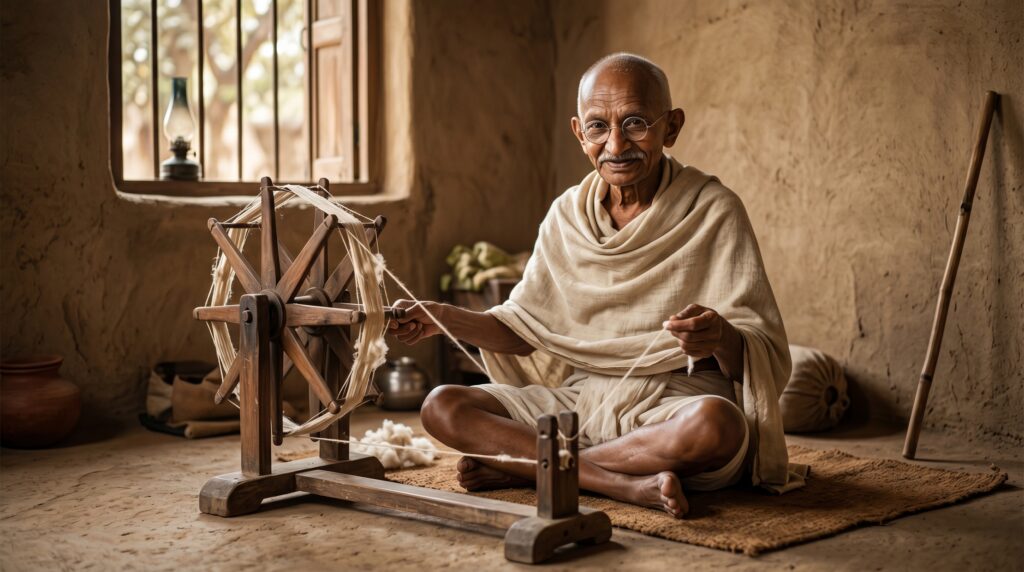
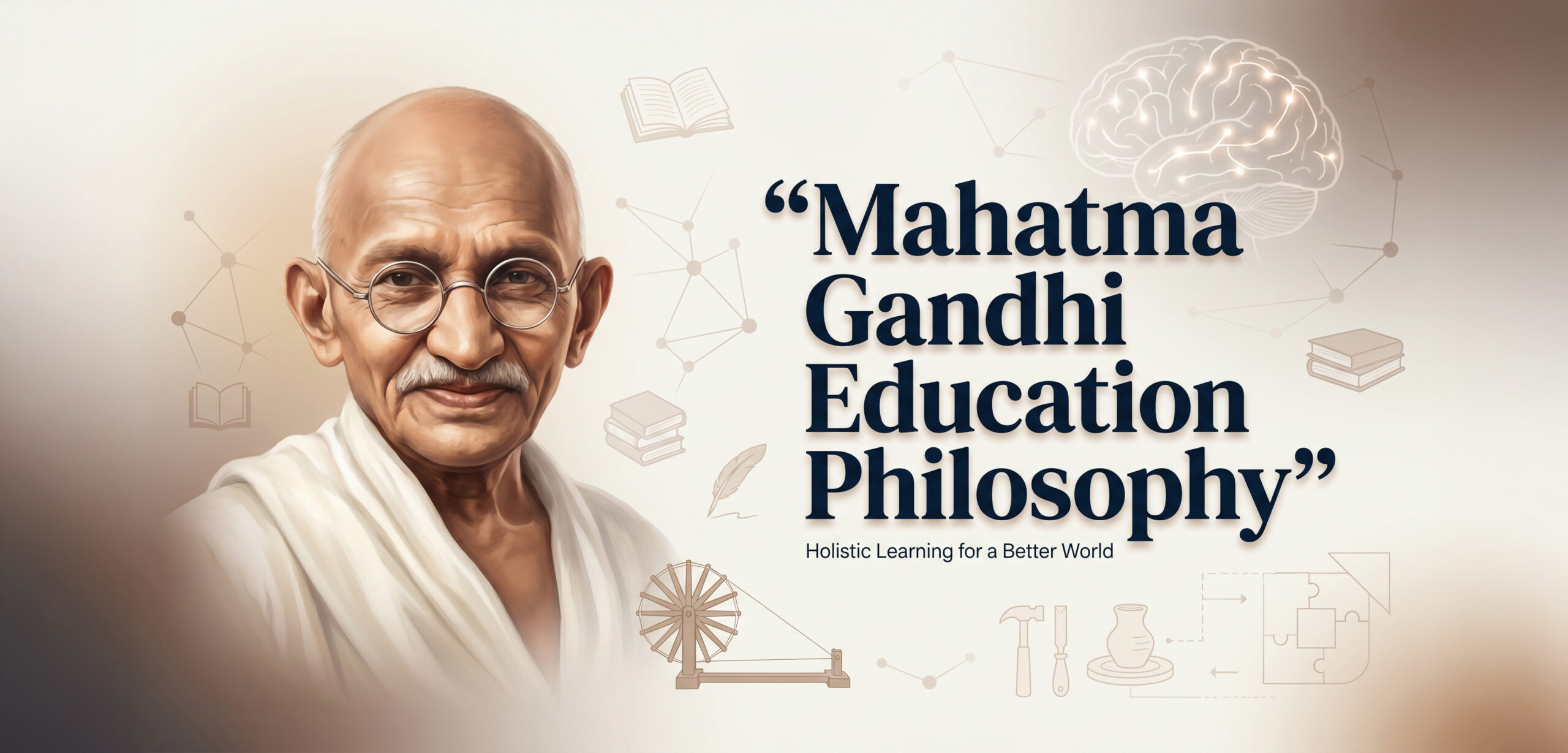
Mahatma Gandhi’s educational philosophy was based on a craft-centered curriculum. He believed that education should be provided in a way that helps in the holistic development of the children.
About Mahatma Gandhi
Although there are many things to know about Mahatma Gandhi, one of his own books is “The Story of My Experiments with Truth”, which he wrote as his autobiography about himself. If you ever get a chance, do read it; it is quite interesting.
Because his educational philosophy is more important than what he used to think about education. Questions are not usually asked about his personal life.
Mahatma Gandhi was born on 2 October 1872 in Porbandar. At the age of 13, he got married, and at the age of 18, he passed matriculation. After that, he studied law and also went to other countries. He lived in South Africa for about 20 years and fought against discrimination there. After that, he returned and played a major role in our freedom struggle.
Now Rabindranath Tagore, whom we have already studied, gave him the title “Mahatma.” Otherwise, his name was Mohandas Karamchand Gandhi. And in his autobiography, Gandhi gave Tagore the title “Gurudev.” So you have to remember who gave what title to whom.
Subhas Chandra Bose called him “Bapu” or “Father of the Nation,” because in one of his speeches, he addressed Mahatma Gandhi as Rashtrapita.
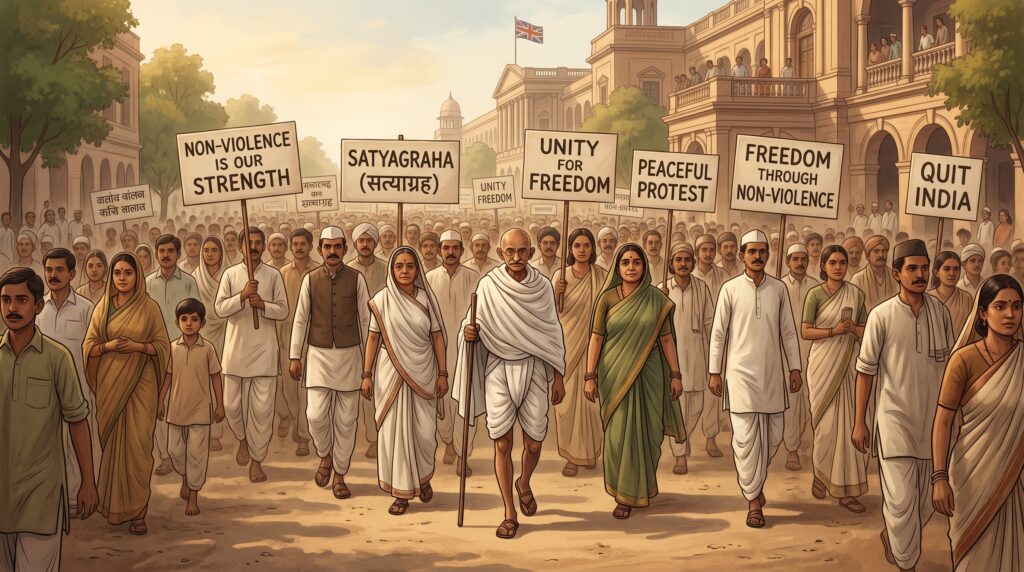
Mahatma Gandhi led transformative non-violent movements such as “Satyagraha” against British rule, which means “truth-force” or “insistence on truth,” and represents a philosophy of non-violent resistance (Ahimsa) that he first developed in South Africa and later applied in India’s freedom struggle.
Gandhi’s Ideology
Now, if we talk about Gandhi’s ideology:
- 1. He believed in truth.
- 2. He supported truth and did not like falsehood at all.
- 3. He believed in Satyagraha.
- 4. He believed that walking on the right path and truth is the greatest religion.
- Service, humanism—helping everyone—should be there.
- 5. He wanted the concept of Ramrajya, meaning a society where people live peacefully and happily without discrimination or bias.
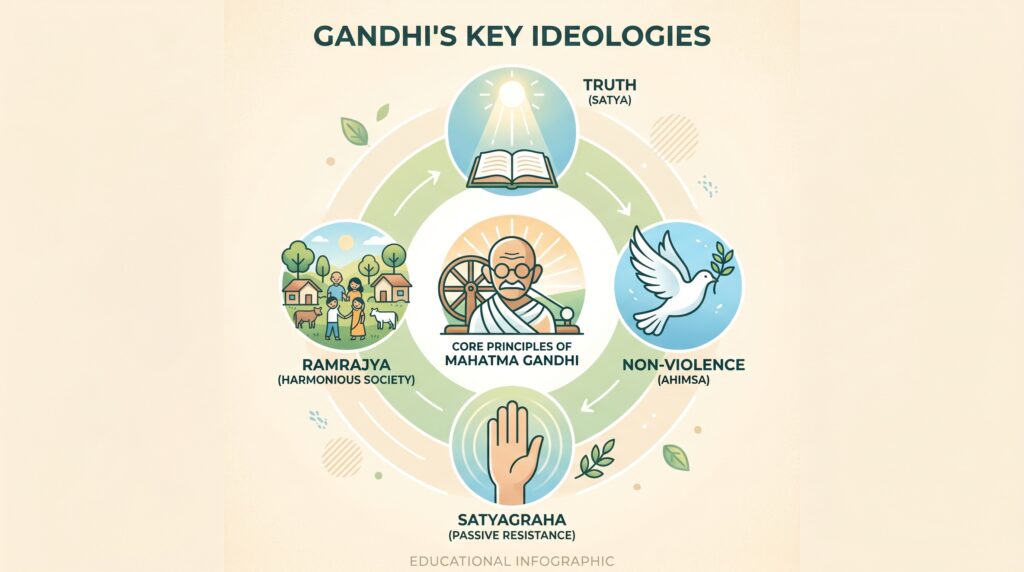
So the concept of Ramrajya is a part of Gandhi’s philosophy and is often asked in exams.
Fundamental Principles of Education
If we talk about fundamental principles related to education, Gandhi believed that education should be controlled in such a way that it shapes the future of the people of the country. There should be patriotism in everyone.
Here you have to compare with Tagore: Tagore talked about internationalism, while Gandhi did not want blind imitation of other countries. He did not support the domination of the English language; he supported the mother tongue.
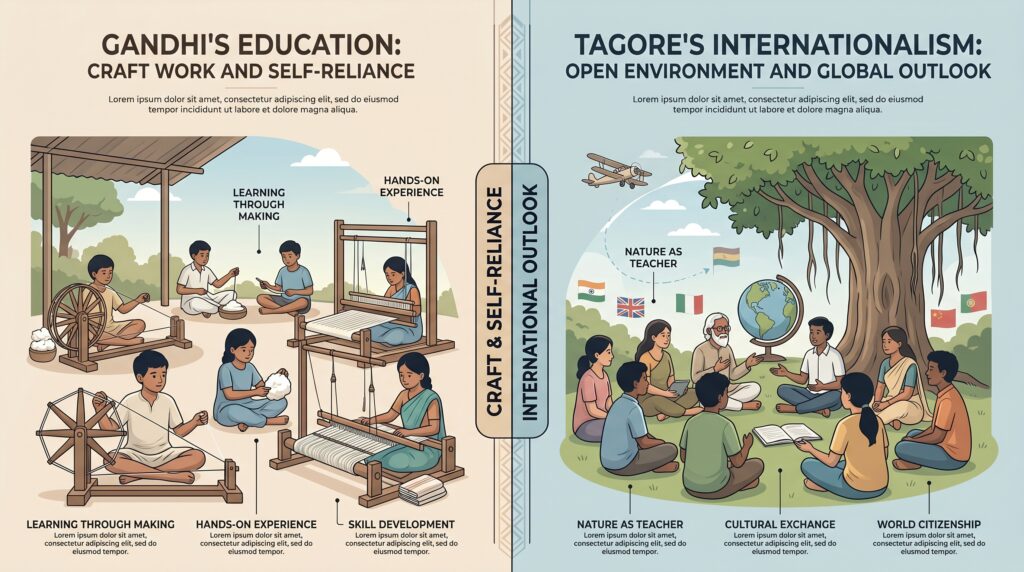
He believed in self-supporting education, where, along with study, practical work should also continue, he focuses on practical knowledge rather than rote memorization.
Educational Experiments and Institutions
Now, where did these principles come from? Gandhi conducted educational experiments in places like Sabarmati and Sevagram Ashram. So questions are asked about related places like Tolstoy Farm—this is related to Mahatma Gandhi.
Also, Sevagram Ashram is related to Gandhi, whereas Seva Sadan was established by Pandita Ramabai Ranade, so do not confuse them.
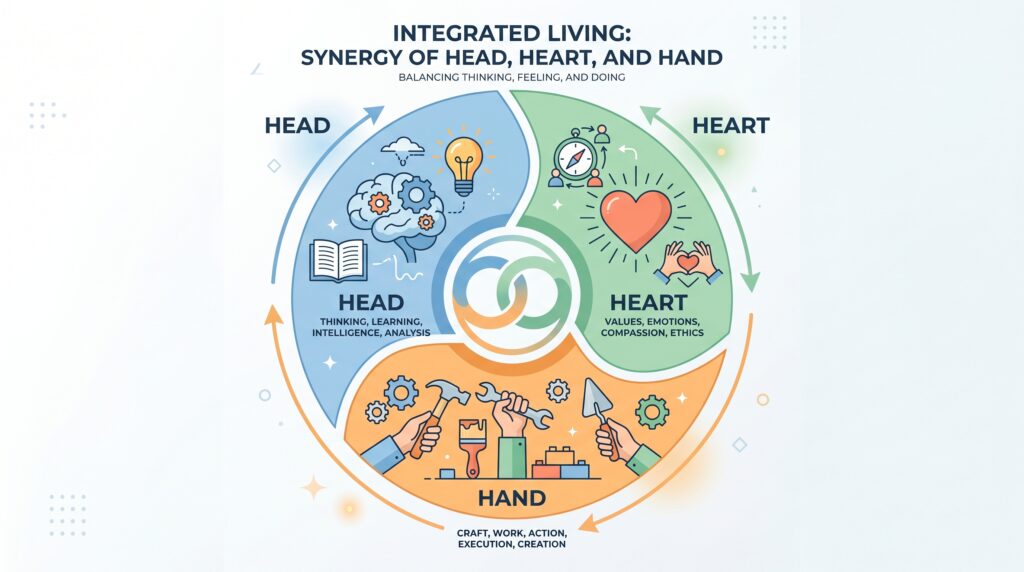
Mahatma Gandhi introduced Nai Talim in 1937, which is a “New Education” philosophy centered on holistic development (head, heart, and hand) through productive work and experiential learning.
Dissatisfaction with the Education System
Gandhi was dissatisfied with the education system of that time. This dissatisfaction led to the Wardha Scheme (Basic Education). He said that education should bring out the best potential in a child.
Regarding education, Gandhi said there should be free and compulsory education from 7 to 14 years (today it is 6 to 14, and NEP 2020 talks about up to 18 years).
He emphasized craft-centered education, where children learn through work and can even support their own expenses.
He opposed the domination of English and emphasized non-violence in education.
Role of Teacher
Now talking about the role of teachers, teachers should possess qualities like:
- Non-violence
- Patriotism
- Sacrifice
- Moral values
These qualities reflect Gandhi’s philosophy.
Curriculum
In the curriculum, he supported:
- Basic crafts such as crafting, weaving, painting, music, etc.
- Mother tongue, he believed that the child must speak or learn their mother language along with English and Hindi.
- Social studies (history, geography)
- General science
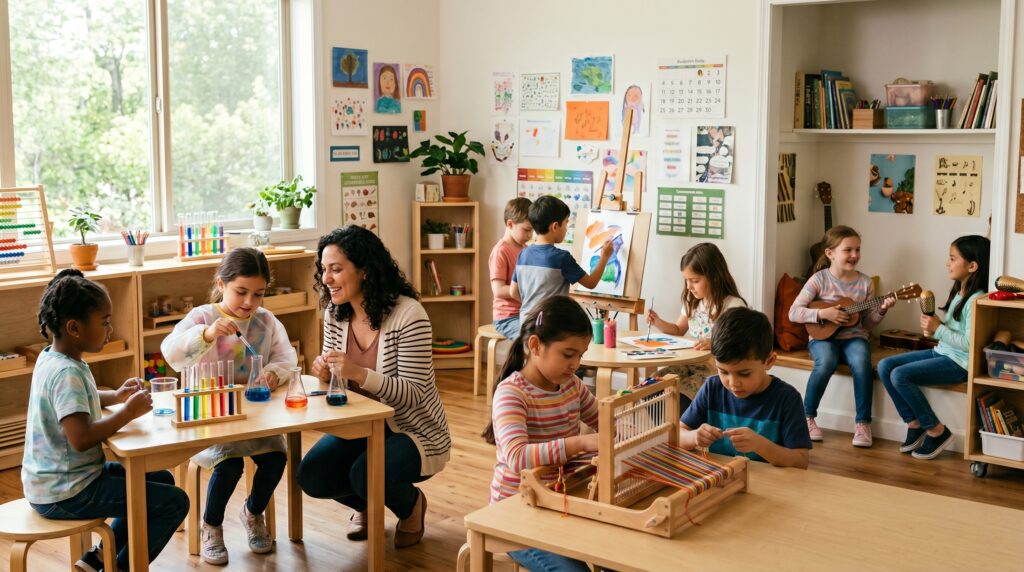
But he did not support advanced or highly technical fields like genetic engineering at that level. He also supported music and drawing to develop artistic talent.
Methods of Teaching
In teaching methods, he supported:
- Correlation
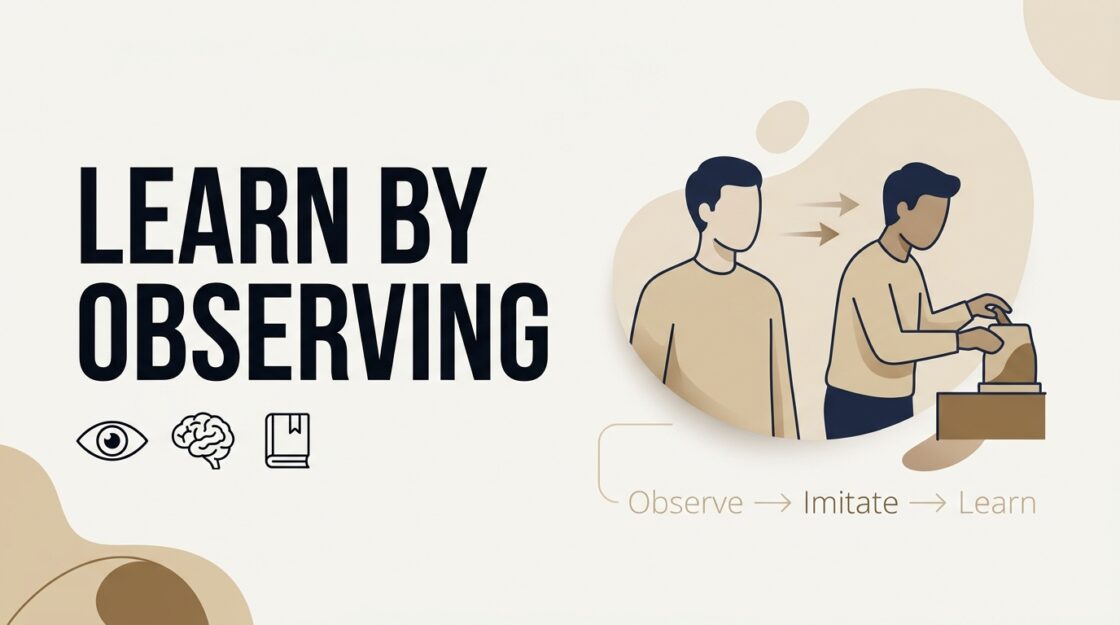
- Learning by doing
- Practical work
His approach was naturalistic and activity-based.
Conclusion
So at last we have concluded that Mahatma Gandhi’s ideas were not just about freedom from British rule, they were about shaping a better way of living. His belief in truth, non-violence, and self-discipline still feels relevant even today, whether in education or everyday life. What makes his philosophy powerful is its simplicity: focus on values, stay grounded, and bring out the best within yourself. That’s exactly what his approach to education aimed to do: create not just knowledgeable individuals, but responsible and aware human beings.