
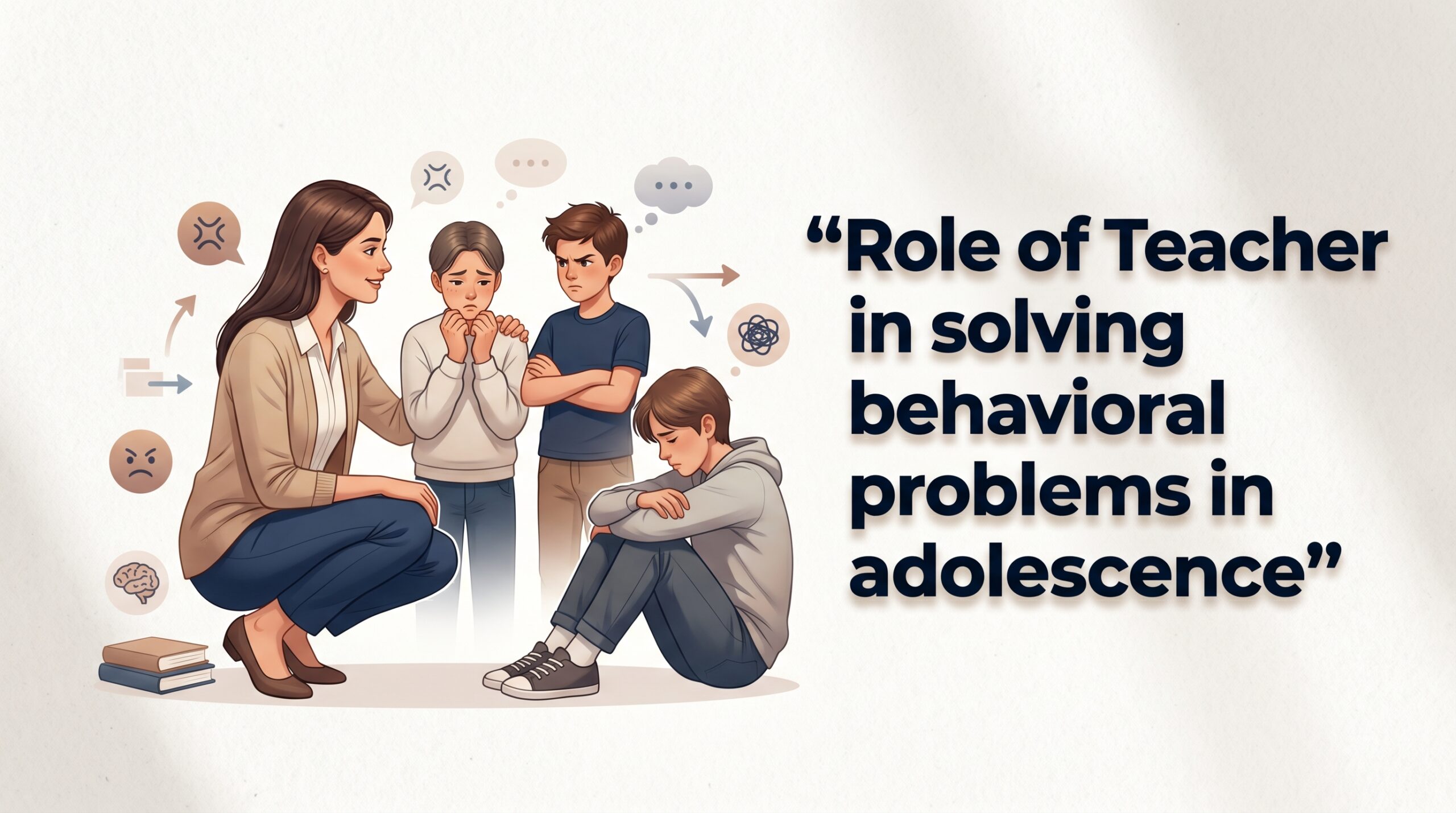
Teachers play an important role in dealing with behavioral problems in adolescence, such as aggression, anxiety, depression, truancy, delinquency, bullying, peer pressure, and inferiority complexes and maladjustment among students, and their involvement becomes essential in identifying and addressing these issues effectively.
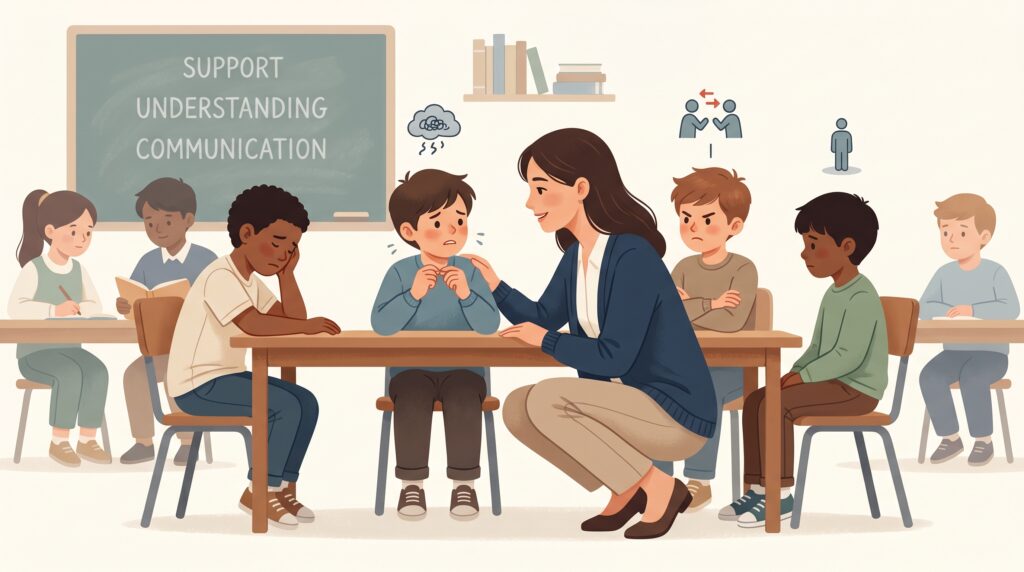
Adolescence is a transitional period between childhood and adulthood. The term “adolescence” originates from the Latin word “Adolescere,” meaning “development of fertility and maturity
This is the stage after childhood. The period of adolescence is between 10 and 19 years of age.
The many physical, sexual, cognitive, social, and emotional changes that happen during this time can bring anticipation and anxiety for both children and their families.
Common Behavioral Problems in Adolescence
- Aggression and anger issues
- Anxiety and depression
- Truancy (absence from school)
- Delinquency (anti-social behavior)
- Bullying
- Peer pressure
- Inferiority complex
- Maladjustment
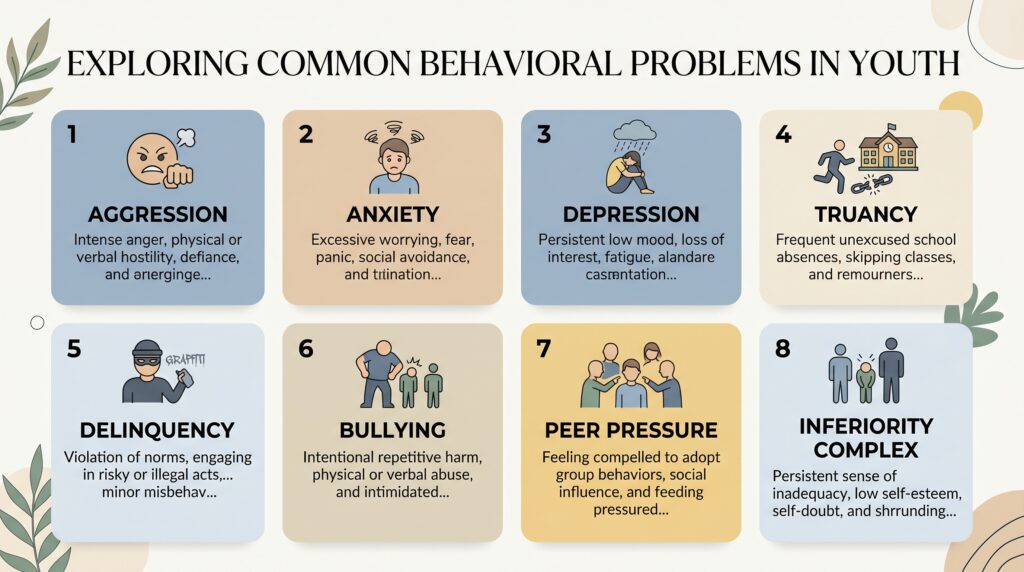
So, we will discuss each problem one by one, along with the role of the teacher in solving these behavioral problems.
1. Aggression and anger issues
When kids are teenagers, they often get really upset or angry easily. This is because their emotions are all over the place, and their bodies are going through a lot of changes. It’s like their feelings are super sensitive, so they might get frustrated or mad more quickly than they would at other times. This can lead to some pretty intense emotional reactions, and it’s pretty common during adolescence.
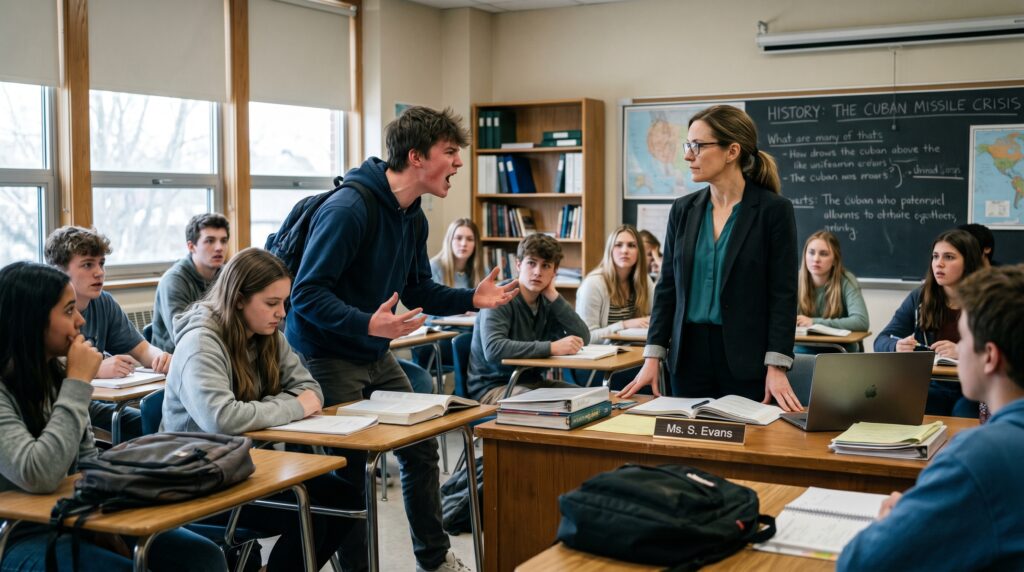
Kids can get really upset and show it in different ways, like yelling, getting into fights, or being rude. Sometimes, a student who feels like they’re not being heard or seen at home might act out in class, like being aggressive or disruptive, because they’re trying to get attention or deal with their emotions.
Role of the Teacher
Here teacher play an important role by staying calm, avoiding harsh punishment, and understanding the root cause.
They can teach anger management techniques like deep breathing and encourage positive expression of emotion. Creating a supportive classroom environment and promoting respect among students helps reduce aggression.
Spotting issues early on and giving kids the right guidance can really help stop bad behavior from becoming a habit that’s hard to break.
2. Anxiety and depression
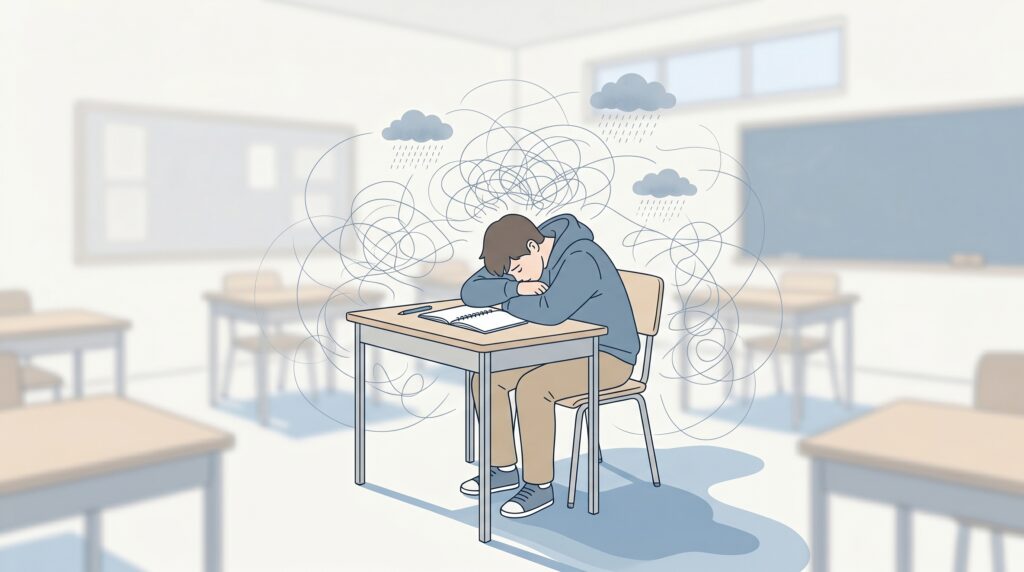
Anxiety and depression can affect students’ mental health and academic performance. Adolescents may feel constant worry, sadness, or a lack of interest in activities.
For example, a student afraid of exams may develop anxiety and avoid school.
Role of the Teacher
Teachers should be observant of such signs and provide emotional support. They can encourage open communication, reduce academic pressure, and motivate students positively.
When teachers make their classrooms a comfortable and welcoming space, it can really help students feel at ease and supported. This kind of environment can boost students’ self-esteem and overall mental health in a big way. By being understanding and encouraging, teachers show students that they care, which can have a lasting impact on how students feel about themselves and their abilities.
3. Truancy
Truancy refers to the frequent absence from school without any valid reason. It may be caused by fear of studying, bullying, or lack of interest.
For example, a student who struggles academically may skip classes regularly.
Role of the Teacher
Teachers can address this issue by identifying the cause and building a connection with the student. They should make learning interesting and provide extra help where needed.
Here, communicating with parents is also important. By encouraging regular attendance and making students feel included, teachers can reduce truancy.
4. Delinquency
Delinquency includes anti-social behaviors such as stealing, lying, or breaking rules. Moreover, it may arise due to a poor environment, lack of discipline, or negative peer influence.
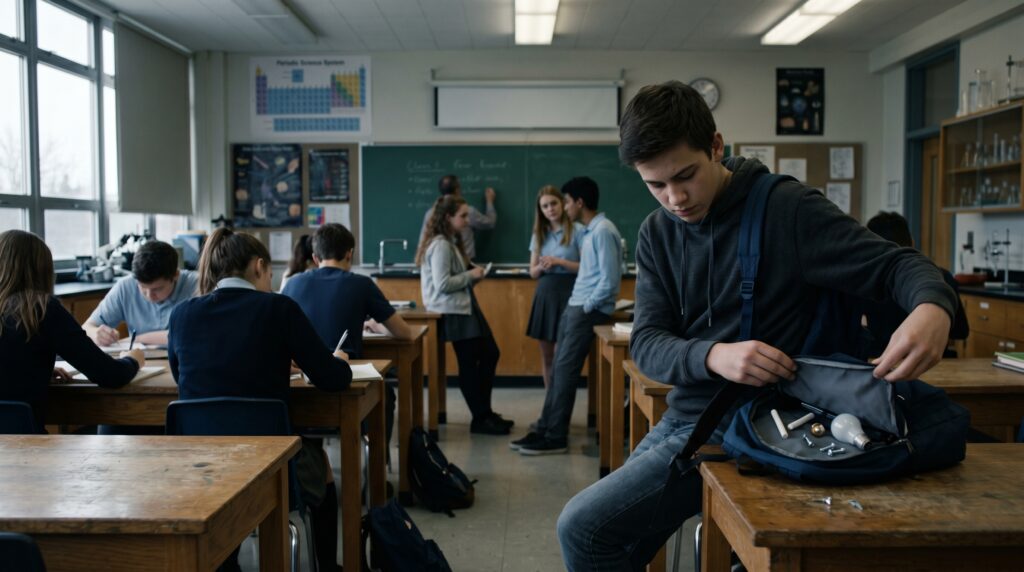
For instance, a student may start stealing small items under peer pressure, such as screws from school benches, bulbs, chalk, or dusters. Therefore, it is important to identify and correct these actions at an early stage.
Role of the Teacher
Teachers play a key role in correcting such behavior by setting clear rules and consequences.
Sometimes, a kid might start taking little things that don’t belong to them, like screws from the benches at school, or small stuff like bulbs, chalk, or dusters, just because their friends are doing it. It’s really important for teachers or parents to catch on to this behavior early and help the kid understand why it’s not okay, so they can stop doing it before it becomes a bigger problem.
5. Bullying
Bullying means harming and intimidating others physically, verbally, or emotionally.
For example, a student may be teased repeatedly for their appearance or background, such as caste, color, and financial background.
Role of the Teacher
Teachers must take strict action against bullying and ensure a safe classroom environment. They should promote kindness, empathy, and respect among students.
Encouraging students to report bullying without fear is important. Teachers can also counsel both the bully and the victim.
6. Peer pressure
When students are around their friends, they can be swayed to do things a certain way. This can be good or bad. Sometimes, it can lead to behavior that’s not so great. So, it’s really important for students to learn how to make their own decisions, without being too influenced by what their friends think. By doing this, they can stay true to themselves and make choices that are right for them. This way, they can avoid getting into trouble or doing things that might not be good for them. It’s all about being able to think for themselves and make independent choices.
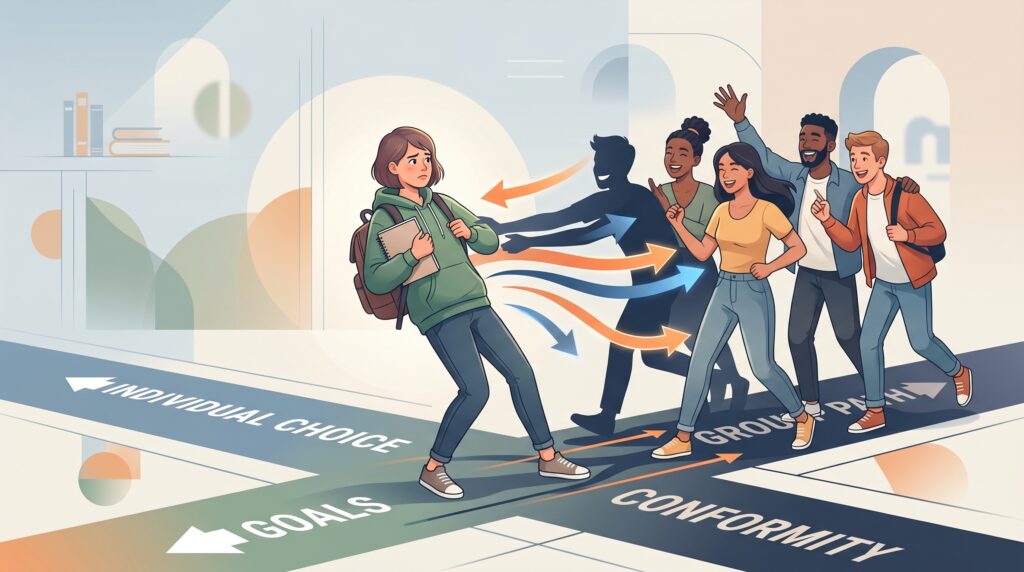
Sometimes, adolescents may engage in wrong activities to gain acceptance. For example, a student may start skipping classes because friends do so.
Role of Teacher
Teachers can guide students to make independent and responsible decisions. They should build students’ confidence and teach them to say “no” to negative influences.
7. Inferiority complex
When students are around their friends, they can be swayed to do things a certain way. This can be good or bad. Sometimes, it can lead to behavior that’s not so great. So, it’s really important for students to learn how to make their own decisions, without being too influenced by what their friends think.
By doing this, they can stay true to themselves and make choices that are right for them. This way, they can avoid getting into trouble or doing things that might not be good for them. It’s all about being able to think for themselves and make independent choices.
So, it’s really important for students to learn how to make their own decisions. When they can do this, they’re able to choose what’s best for them and stay away from things that might be bad for them. This helps them become more independent and make good choices in life.
Role of the Teacher
Teachers should motivate such students by appreciating their strengths and effort. They must avoid comparisons and create equal opportunities for all.
Providing individual attention and positive feedback boosts confidence.
8. Maladjustment
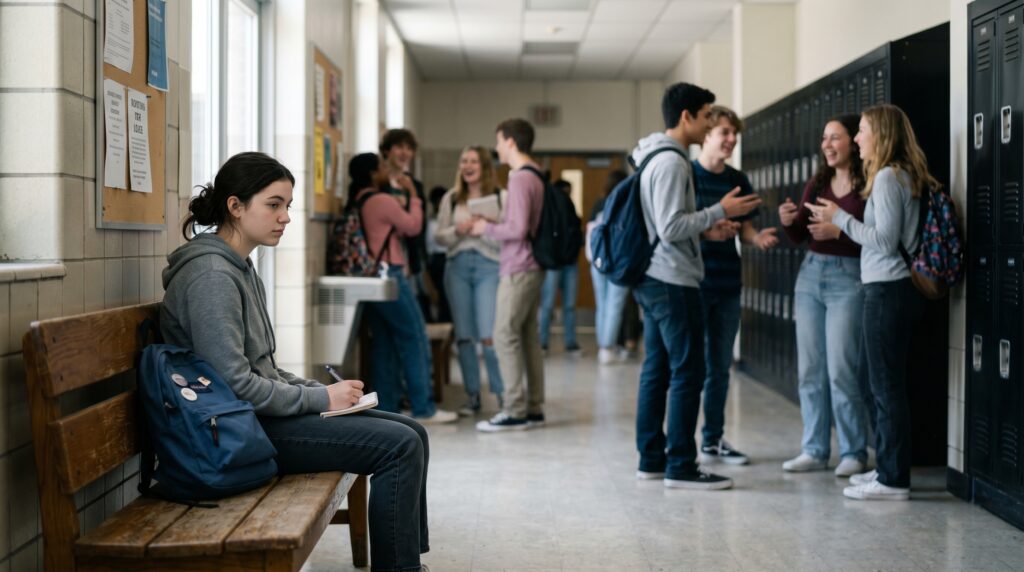
Maladjustment refers to difficulty in adapting to school, environment, or social situations. Students may feel isolated, withdrawn, or uncomfortable.
For example, a new student may struggle to adjust to a new school and avoid interaction.
Role of Teacher
Teachers can help by creating an inclusive and friendly classroom atmosphere. They should encourage group activities and peer interaction.
Understanding the student’s background and providing emotional support is essential. Teachers can gradually help students feel comfortable and confident.
Conclusion
Adolescence is a sensitive and transformative stage; during this period, students often face various behavioral challenges such as aggression, anxiety, bullying, peer pressure, and maladjustment. If these problems are not addressed properly, they can significantly affect students’ overall development and future.
It’s really important to deal with problems when they come up. Teachers are key to finding, understanding, and handling these issues in a gentle and caring way. When teachers create a positive atmosphere, give guidance, and show students how to behave, they help students build confidence, learn self-control, and become more emotionally stable. This way, students can grow and develop in a healthy way. Teachers are like role models, and their patience and care can make a big difference in a student’s life. By being supportive and understanding, teachers can help students overcome their struggles and become better versions of themselves.