
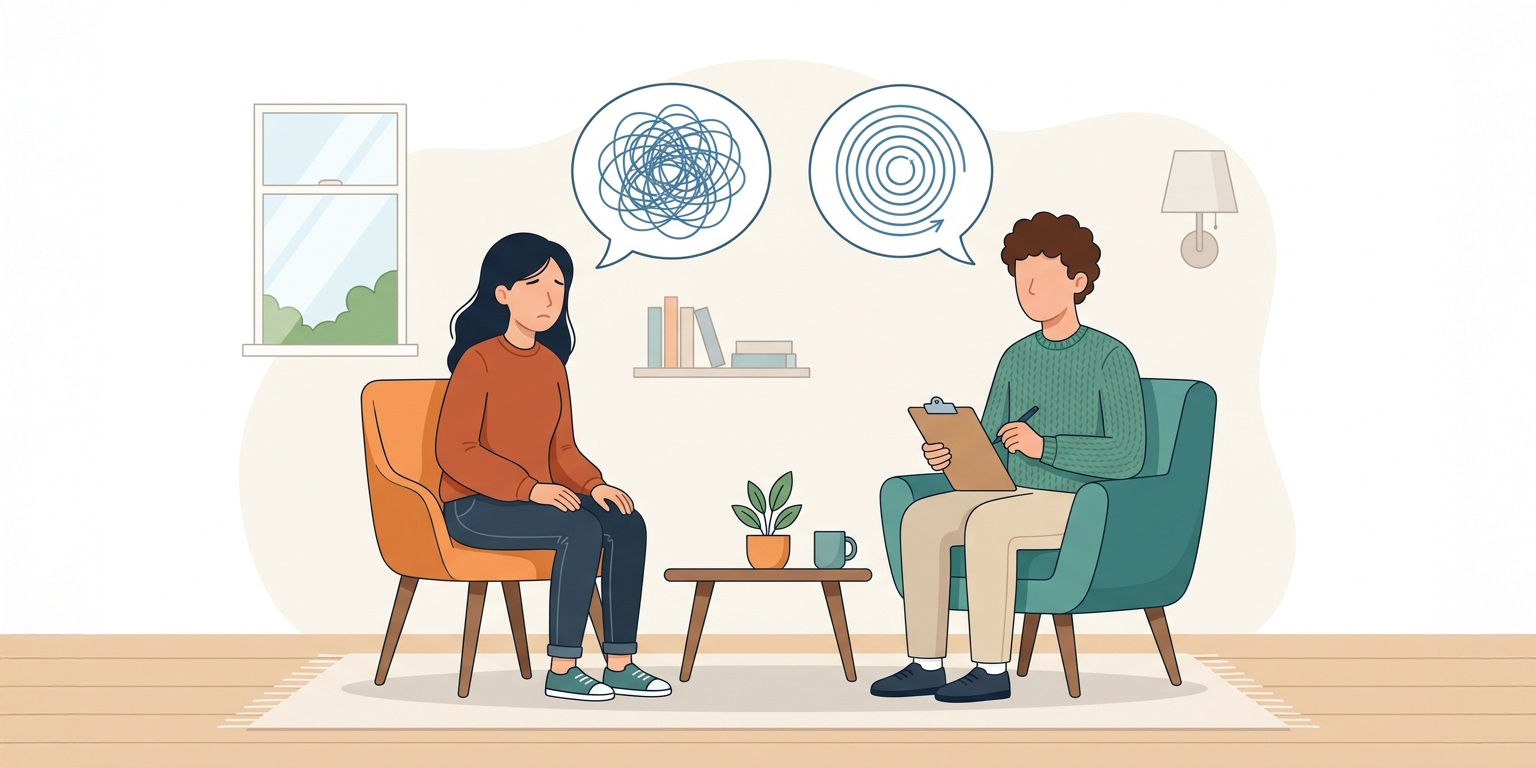
Peer counselling includes people who are going through problems, anxiety or issues and are looking for guidance or support from others who have similar experiences in the past. It is facilitated by peers where people share their knowledge, emotional support, and social help with one another.
In simple words, peer counselling means helping someone like you who understands your situation better.
According to Mutie and Ndambuki (1999), peers are people of equal status, and counselling occurs through discussion, sharing, and mutual understanding.
According to Bette (2013), Peer counselling is a supportive interaction that helps influence positive behavioural change.
Nature of Peer Counselling
- It is non-formal and non-professional counselling.
- It is based on shared experiences, with an emphasis on empathy, trust, and mutual respect.
- It is often used in schools, colleges, and community settings.
- According to Fred Rogers, when we talk about our feelings, they become less overwhelming, less upsetting, and less frightening.
Historical Development and Conceptual Evolution
The concept of peer counselling emerged from the broader field of guidance and counselling, especially during the 1960s and 1970s, when educational psychologists began to recognize the limitations of traditional authority-driven counselling models.
Early work by Donald H. Tindall and David W. Johnson emphasized the importance of peer helping systems in educational institutions. They argued that counselling should not remain limited to trained professionals but could also be extended through peer facilitators.
Later, Norman C. Gysbers and Robert D. Myrick incorporated peer counselling into comprehensive developmental programs, especially in school settings. This shift from expert-centered counselling to peer-assisted counselling reflected the growing importance of informal support networks and the movement toward preventive and developmental guidance.
Importance of Peer Counselling
- Peer counselling promotes emotional expression and catharsis. It provides a safe, non-threatening, and accepting environment where individuals can express their emotions freely.
- According to Carl Rogers, emotional release (catharsis) is essential for psychological well-being. Adolescents often suppress emotions due to fear of criticism.
Peer counselling reduces this barrier and encourages open expression of anxiety, stress, and personal problems. - Peer counselling also helps to enhance social and life skills. It benefits not only the help-seeker but also the counsellor by improving communication skills and decision-making abilities.
- According to Myrick, such interactions contribute to life-skill development, which is essential for holistic development.
- Peer counselling also facilitates behavioural change.
According to Bandura’s Social Learning Theory, individuals learn behaviours through observation and interaction. Peer counsellors act as role models and influence attitudes and behaviours. - Another important benefit is increased accessibility. Professional counsellors are often limited in number, especially in schools and colleges. Peer counselling acts as a supplementary support system, providing immediate help and support.
- It also builds self-confidence and empowerment. Peer counselling encourages individuals to take responsibility for their actions and develop confidence in decision-making. Individuals are guided to find solutions to their problems, which empowers them.
Techniques in Peer Counselling :
- Active Listening: The peer counselor must listen to his client with full attention and show interest via different physical gestures such as nodding a head and eye contact.
- Empathy: It involves deeper understanding of another person’s emotional experiences.
- Example: Peer Counselor can state, “I can see that the situation is really upsetting for you.”
- Para-phrasing: Re-stating the peer’s statement in simple words for better understanding.
- Example: “So, you are feeling ignored by…”
- Questioning: Questions should not be interrogative or not in yes/no form (Open-ended).
- Example: “How did you feel when that happened?”
- Reflection of Feeling: Identifying and expressing the emotion of the peer.
- Example: “You feel the disappointment/hurt.”
- Problem Solving Techniques: Helping the peer in identifying the problem.
- Role Playing: Practicing situations to build confidence.
- Example: Peer counselor can help a shy student practice how to speak in class through R.P. (Role Play).
- Demonstrating: A calm P.C. can influence others to handle the stress calmly.
- Confidentiality: Maintaining privacy to build and strengthen the relationship.
Limitations of Peer Counselling :
- Lack of Professional Expertise:
Peer counselors are typically students or non-professionals. They lack the advanced clinical training, diagnostic skills, and years of experience that licensed therapists or professional psychologists possess. - Risk of Breach of Confidentiality:
Because peer counselors often move in the same social circles as those they are helping, there is a higher risk that private information could accidentally be shared or leaked within a peer group. - Over-involvement of Emotions:
It can be difficult for a peer to maintain “professional distance.” They may become too emotionally invested in their friend’s or peer’s problems, leading to “compassion fatigue” or biased advice. - Cultural Constraints: Peer counselors may have limited exposure to diverse backgrounds, which can lead to misunderstandings or an inability to provide culturally sensitive support if the peer’s life experiences differ significantly from their own.